Welcome to
My World Cup Fan Zone Hub

Visit The World Cup!

More Information

An Amazing Experience

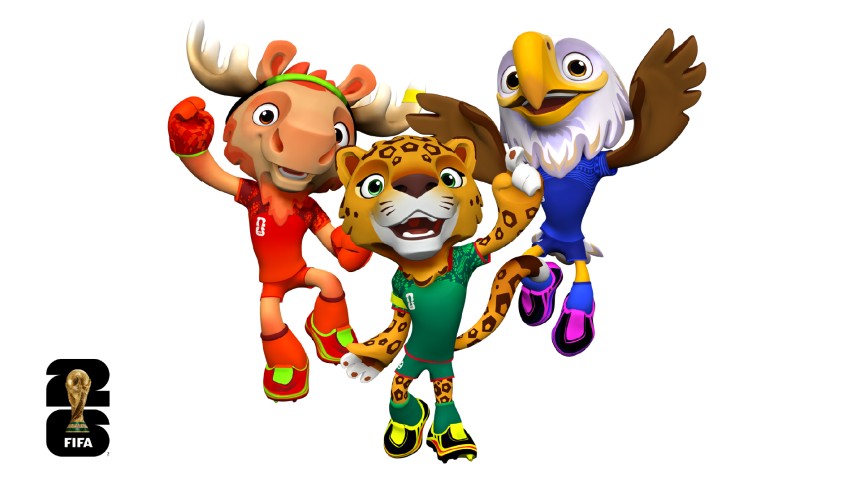
The 2026 FIFA World Cup will be a historic event in football history, as it will be jointly hosted by three countries: the United States, Canada, and Mexico; with a total of 15 host cities. This will be the first time that the World Cup will be hosted by three nations, and the first time it will feature 48 teams (up from the previous 32). ⚽

The matches themselves are the highlight. Watching the world’s best players compete live—hearing the roar of tens of thousands of fans when a goal is scored—creates memories that last a lifetime. Even games between teams you don’t normally follow become thrilling when you’re surrounded by passionate supporters. ⚽

One of the most exciting parts of traveling to the tournament is exploring the host country. Whether the matches take place in modern cities or historic destinations, visitors get a chance to experience local food, traditions, and landmarks between games. Many fans plan their trip as a multi-city journey, following their national team from stadium to stadium while discovering new places along the way. ⚽

Traveling to the FIFA World Cup is more than just a sports trip—it’s a global adventure filled with culture, excitement, and unforgettable moments. Fans from every corner of the world gather to support their teams, creating an atmosphere unlike any other sporting event. Streets are filled with team colors, chants echo through city centers, and the energy inside the stadiums is electric. ⚽

Traveling for the World Cup also brings people together. Fans often form friendships with supporters from other countries, trading scarves, sharing stories, and celebrating the love of football. Despite rivalries on the field, there’s a strong sense of unity that comes from being part of such a historic global event. For many travelers, attending the World Cup is a dream come true: a journey that combines sport, travel, and cultural connection into one unforgettable experience. ⚽

See below for specific information about each of the host countries and tournament format:
Mexico

Several major Mexican cities will host matches, bringing the excitement of international football to millions of fans. One of the most iconic venues is Estadio Azteca in Mexico City. This legendary stadium already has a unique place in football history—it hosted the finals of the 1970 FIFA World Cup and the 1986 FIFA World Cup, where stars like Pelé and Diego Maradona made unforgettable moments. In 2026, it is expected to host the opening match, adding another chapter to its legacy.

  • Other Mexican host cities include Guadalajara and Monterrey. Guadalajara will use the modern Estadio Akron, while Monterrey will welcome fans at Estadio BBVA. These cities are known for their passionate football culture, vibrant traditions, and enthusiastic supporters.
  • For Mexico, hosting again is a moment of pride. Football is deeply rooted in Mexican culture, and the World Cup will bring celebration, tourism, and global attention to the country. Streets, stadiums, and fan zones across the nation will be filled with energy as supporters from around the world gather to celebrate the beautiful game.
  • Overall, the 2026 World Cup in Mexico will combine historic stadiums, passionate fans, and global football talent, promising an unforgettable tournament for players and spectators alike.

United States

The United States will host a significant portion of the matches.
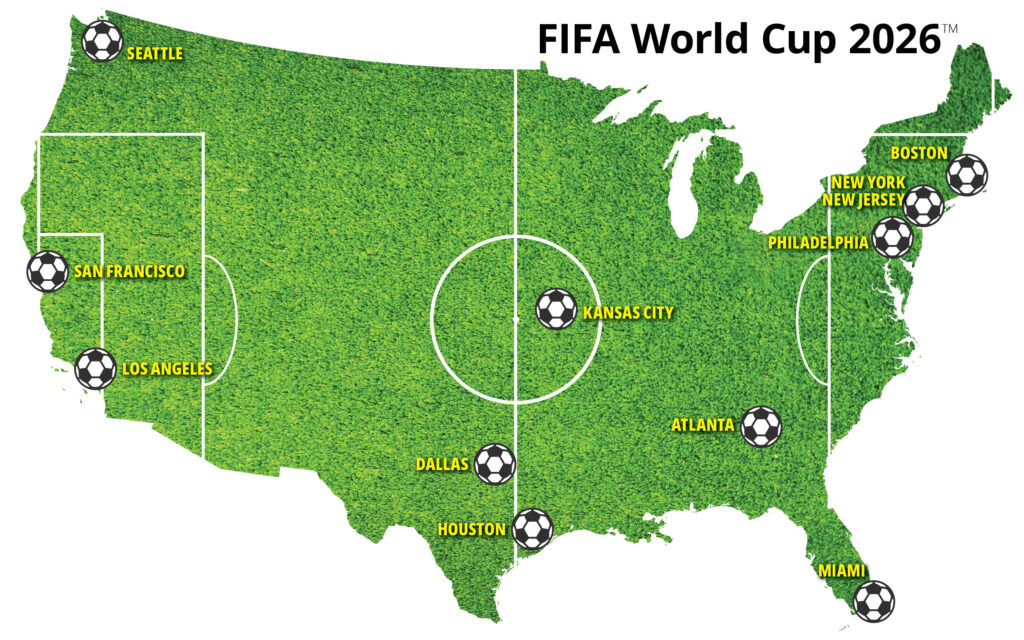
The tournament runs from June 11 to July 19, 2026, with the final held at New York New Jersey Stadium (MetLife Stadium). Here’s an overview of the U.S. cities that are scheduled to host World Cup games in 2026:

  • Atlanta, Georgia - Mercedes-Benz Stadium - Capacity: 42,000 (for World Cup matches)
    Home to the NFL's Atlanta Falcons and Atlanta United FC (MLS). The stadium features a retractable roof and a state-of-the-art design.
  • Boston, Massachusetts - Gillette Stadium - Capacity: 65,000
    Located in Foxborough, just outside of Boston. The stadium is primarily used for NFL games (New England Patriots) and MLS games (New England Revolution).
  • Dallas, Texas - AT&T Stadium - Capacity: 80,000
    Home to the Dallas Cowboys (NFL), and one of the most iconic stadiums in the U.S. Known for its massive video screen and modern amenities.
  • Houston, Texas - NRG Stadium - Capacity: 72,000
    Home to the Houston Texans (NFL). NRG Stadium is a multi-purpose venue with a retractable roof.
  • Kansas City, Missouri - Arrowhead Stadium - Capacity: 76,416
    Known as one of the most passionate football stadiums in the NFL (home to the Kansas City Chiefs). Kansas City has a rich soccer culture, making it an ideal host for World Cup matches.
  • Los Angeles, California - SoFi Stadium - Capacity: 70,000
    A new, state-of-the-art stadium located in Inglewood, home to the Los Angeles Rams and Los Angeles Chargers (NFL). The stadium is part of a larger entertainment complex, including the Hollywood Park development.
  • Miami, Florida - Hard Rock Stadium - Capacity: 64,767
    Home to the Miami Dolphins (NFL) and regularly hosts major events like the Super Bowl. The stadium is famous for its canopy roof and is located in the city’s metropolitan area.
  • New York/New Jersey (East Rutherford) - MetLife Stadium - Capacity: 82,500
    Located in East Rutherford, New Jersey, this stadium is home to the New York Giants and New York Jets (NFL). One of the largest stadiums in the U.S. and frequently hosts major international events.
  • Philadelphia, Pennsylvania - Lincoln Financial Field - Capacity: 69,796
    Known as "The Linc," this stadium is home to the Philadelphia Eagles (NFL) and also hosts various soccer events. The city of Philadelphia has a rich sporting history, making it an exciting venue for World Cup matches.
  • San Francisco Bay Area, California - Levi’s Stadium - Capacity: 68,500
    Home to the San Francisco 49ers (NFL). Located in Santa Clara, the stadium is a modern venue known for its sustainability and technology features.
  • Seattle, Washington - Lumen Field - Capacity: 67,000
    Known for hosting the Seattle Seahawks (NFL) and Seattle Sounders FC (MLS). Lumen Field is known for its passionate soccer fanbase, which makes it a great choice for the World Cup.
  • Washington, D.C. - FedExField - Capacity: 82,000
    Located just outside Washington, D.C., it is home to the Washington Commanders (NFL). FedExField is one of the largest stadiums in the U.S., and it frequently hosts large-scale events.

Canada

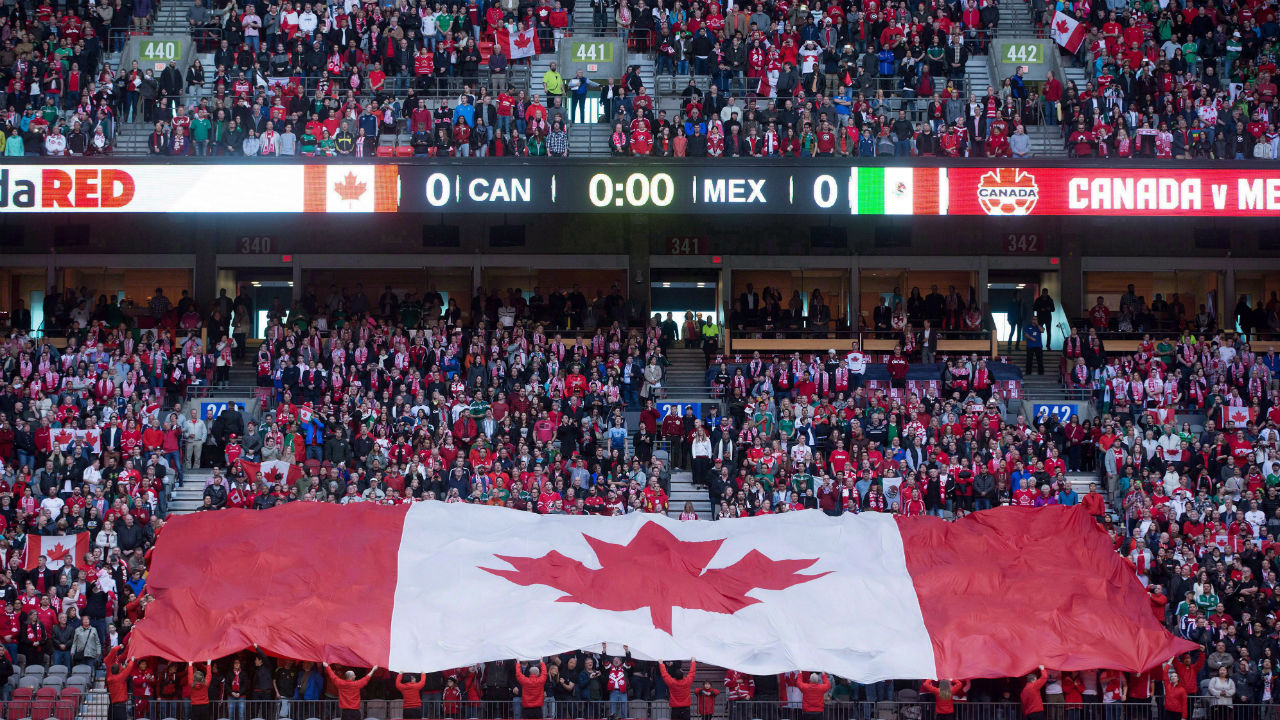
For the 2026 FIFA World Cup, Canada will be one of the three host countries, alongside the United States and Mexico. This is a significant event, as it's the first time the World Cup will be hosted by three countries, and also the first time the men’s tournament will be held in Canada (Canada has previously hosted the 2015 Women’s World Cup and U-20 World Cup 2007). This will bring more games, more teams, and more excitement to Canada.

Canada will automatically qualify for the tournament as one of the host nations. Hosting the World Cup is a major boost to Canadian soccer, bringing significant attention to the sport and helping further develop the game in the country.

For the 2026 FIFA World Cup, Canada will host matches in 2 cities:

  • Toronto Stadium: BMO Field (Capacity: ~30,000)
    Located in downtown Toronto, BMO Field is primarily a soccer and Canadian football venue. It is home to Toronto FC (MLS). BMO Field has hosted major international soccer events before, including the 2015 Women's World Cup matches.
  • Vancouver Stadium: BC Place (Capacity: ~54,000)
    BC Place is located in Vancouver’s city center and is known for its retractable roof, making it a versatile venue for both outdoor and indoor events. It's used for multiple sports, including soccer, Canadian football, and CFL games. It was also a key venue for the 2015 Women's World Cup.

World Cup 2026 Format

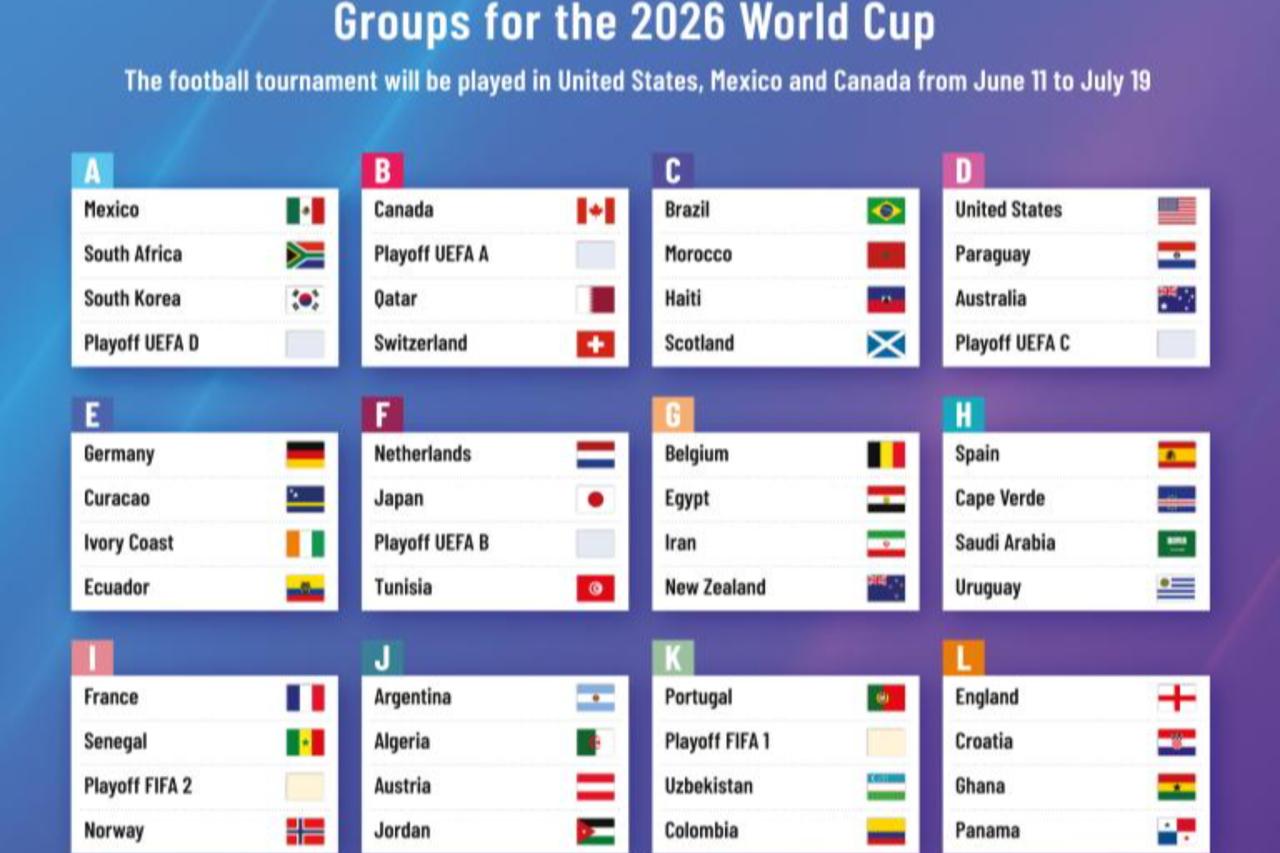
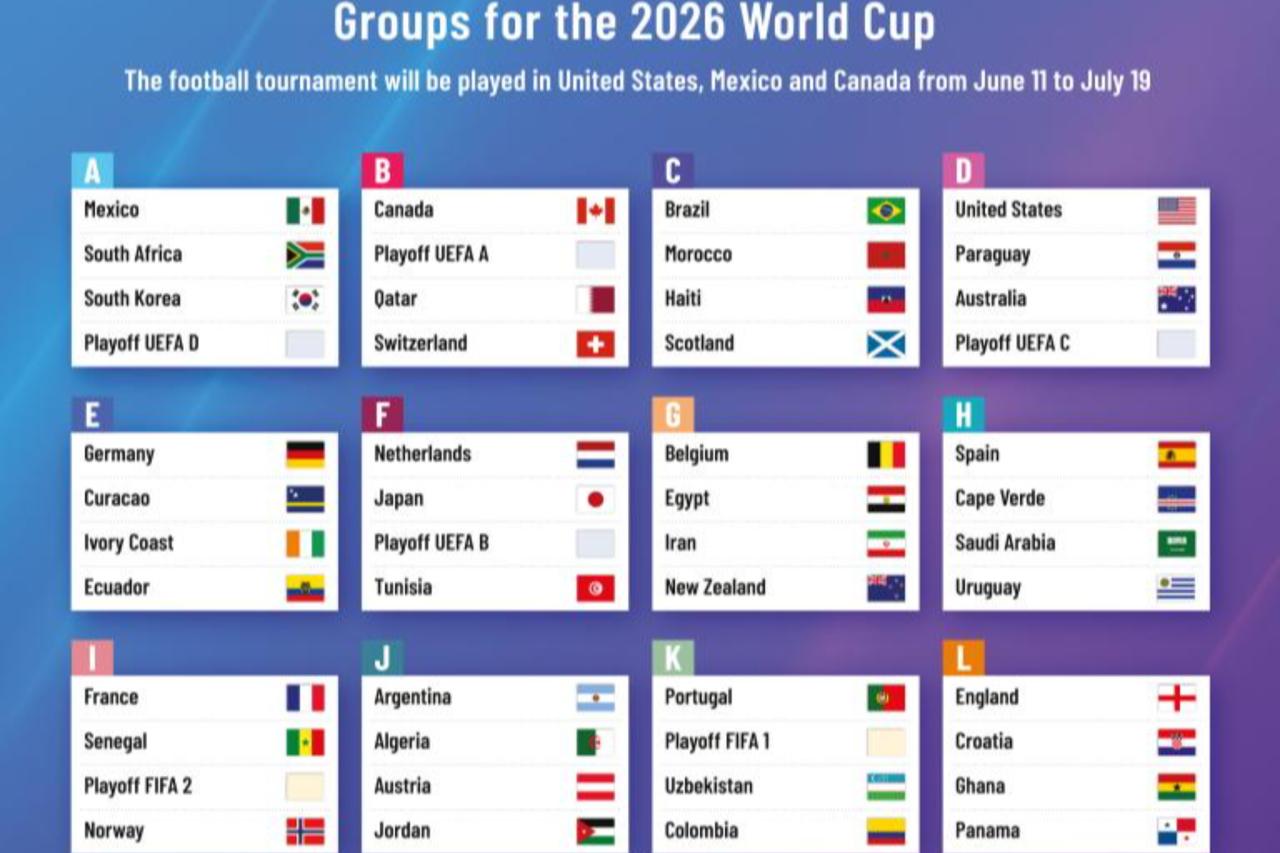
The 2026 World Cup will be the first edition with 48 teams, up from the previous 32-team format. This change will allow more countries from around the world to participate, making the tournament larger and more diverse than ever before.
This new format aims to make the tournament more inclusive, with more teams getting a chance to compete on the world stage. It will also create more opportunities for upsets and surprises!

Here's how it will work:

  • Group Stage
    48 teams will be divided into 16 groups of 3 teams each. The top 2 teams from each group will advance to the knockout stage, giving a total of 32 teams progressing to the next round.
  • Knockout stage
    After the group stage, the top 2 teams from each of the 16 groups (32 teams total) will move to the Round of 32.
    From there, the tournament will proceed with the standard knockout format: Round of 32 → Round of 16 → Quarter-finals → Semi-finals → Final.
  • Additional Changes
    More matches: With more teams, the total number of matches will rise from 64 (in the 32-team format) to 80 matches.
    No more 4-team groups: As mentioned, the group stages will have 3 teams per group, which will reduce the number of group-stage games for each team but increase the overall competition.
  • Qualification
    The qualification process will be different too, with more spots being allocated to each continental confederation (e.g., more teams from Africa, Asia, etc.).